Addressing Homelessness
Pooneh Gray’s Plan to Solve Homelessness in Vancouver
1. Why Spending Has Increased Without Results
Despite historic levels of spending, results have been poor because the city has relied too heavily on band-aid solutions.
- Band-Aid vs. Real Treatment: Imagine having a deep gash in your hand. Instead of suturing it and treating the infection, you keep putting band-aids on it. The band-aids don’t last, the wound worsens, and eventually you’re left with a much bigger problem. That’s exactly what’s happening at the city level: short-term fixes like shelters, clean-ups, and emergency response drain resources without addressing root causes.
- Runaway Costs: Just like constantly buying more band-aids, short-term fixes get very expensive. Portland and surrounding counties now spend $700 million per year on homelessness, yet thousands are still unsheltered. Vancouver must not follow that path.
- Management Matters: Even long-term programs will fail if they are not managed effectively, tied to data, and held accountable. Without real oversight, we’re spending money without knowing what works.
And in the process, we are doing a deep disservice to the very people who need help the most. Too often, the money being spent gets tied up in administrative overhead, staff salaries, or programs that never reach the ground. Meanwhile, people remain outside, suffering. The money being spent must go where it matters most—into food, shelter, treatment, and direct services for those sleeping on our streets—so we are truly helping our neighbors in need, not just sustaining a broken system.
2. Prevention
The most effective way to reduce homelessness is to stop it before it starts. Prevention must be multi-faceted and community-driven.
- Investing in Youth: Not every student wants to pursue a four-year degree. We must support technical schools, apprenticeships, and trades to give students pathways to stable, good-paying jobs.
- After-School & At-Risk Programs: We must protect and expand after-school sports, clubs, and programs. These safe spaces build confidence, provide mentorship, and give at-risk youth a chance to thrive instead of falling into cycles of poverty.
- Affordability & Policy: City policies must not push families into homelessness through constant cost increases. Rising fees, utilities, and poorly designed regulations can destabilize working families. Affordability is prevention.
3. Treatment, Accountability, and Results
A large portion of people living on the streets struggle with drug addiction and mental illness. This cannot be solved with shelters alone—it requires treatment, accountability, and measurable results.
- Individualized Care: Treatment must combine medication, counseling, and skills/job training. People need the tools to eventually transition into supportive housing or independent living.
- Measured Outcomes: If you don’t track success and failure rates, you don’t know what’s working. Data-driven programs allow us to adjust and improve instead of wasting money blindly.
- Accountability for Providers: The money being spent must reach the ground level. Too often, funds are absorbed by salaries and overhead while little reaches the people in need. One local organization even closed its doors after misusing funds. That cannot happen again.
- Short-Term, Goal-Oriented Placements: Programs must help individuals stabilize, build skills, and move forward—so new people in need can be helped. Indefinite warehousing is not a solution.
- Coordination of Services: Providers must communicate and reduce redundancy. Fragmented services waste money and dilute impact.
Tough Love & Empathy
The most asked question is: “What if they don’t want treatment?”
The truth is, many people suffering from fentanyl addiction or severe mental illness may say they don’t want help—but that’s because they’re trapped. As one woman told me after recovery: “I was in fentanyl jail, and I needed someone to break me out.”
That’s where compassion and tough love meet. No one truly wants to live on the street. They are paralyzed by addiction and mental illness. With the right interventions—removing people from drugs long enough for clarity to return—they can begin to focus on recovery.
Many people living with severe mental illness don’t even recognize the condition they are in. They may not understand the severity of their illness until they receive proper medical support. For these individuals, medication management is essential—sometimes on a long-term basis—so they can gain stability, clarity, and the ability to participate meaningfully in treatment and recovery.
And recovery is possible. With proper treatment and support, people can go on to live fulfilling lives. Many even return to help others, becoming some of the strongest voices for change in our community.
Leadership & Accountability for Vancouver
We can reduce urban camping and homelessness in Vancouver without endlessly increasing spending. The key is prevention, treatment, accountability, and smarter management of resources.
I am the only candidate for City Council with the education, experience, and dedication to ensure Vancouver avoids Portland’s mistakes. With a Master’s in Psychology and over 30 years in the behavioral health field, I understand what drives homelessness and how to address it.
I will ensure that:
- Contracts with service providers are clearly written with expectations, goals, and measurable outcomes.
- The money being spent is tied to results, not overhead.
- The city changes course seamlessly toward accountability, prevention, and effective treatment.
Vancouver doesn’t need to spend like Portland to get worse results. With smarter leadership, we can make meaningful progress, protect families, and create a city where fewer people fall into homelessness—and those who do get the treatment and support they need to move forward.
Give me a call at (360) 823-3511 or email me at info@voteforpoonehgray.com
Like what you see? DONATE ONLINE: www.efundraisingconnections.com/c/PoonehGray
DONATE BY MAIL: Make check payable to Vote for Pooneh Gray at P.O. Box 1884 Vancouver, WA 98668
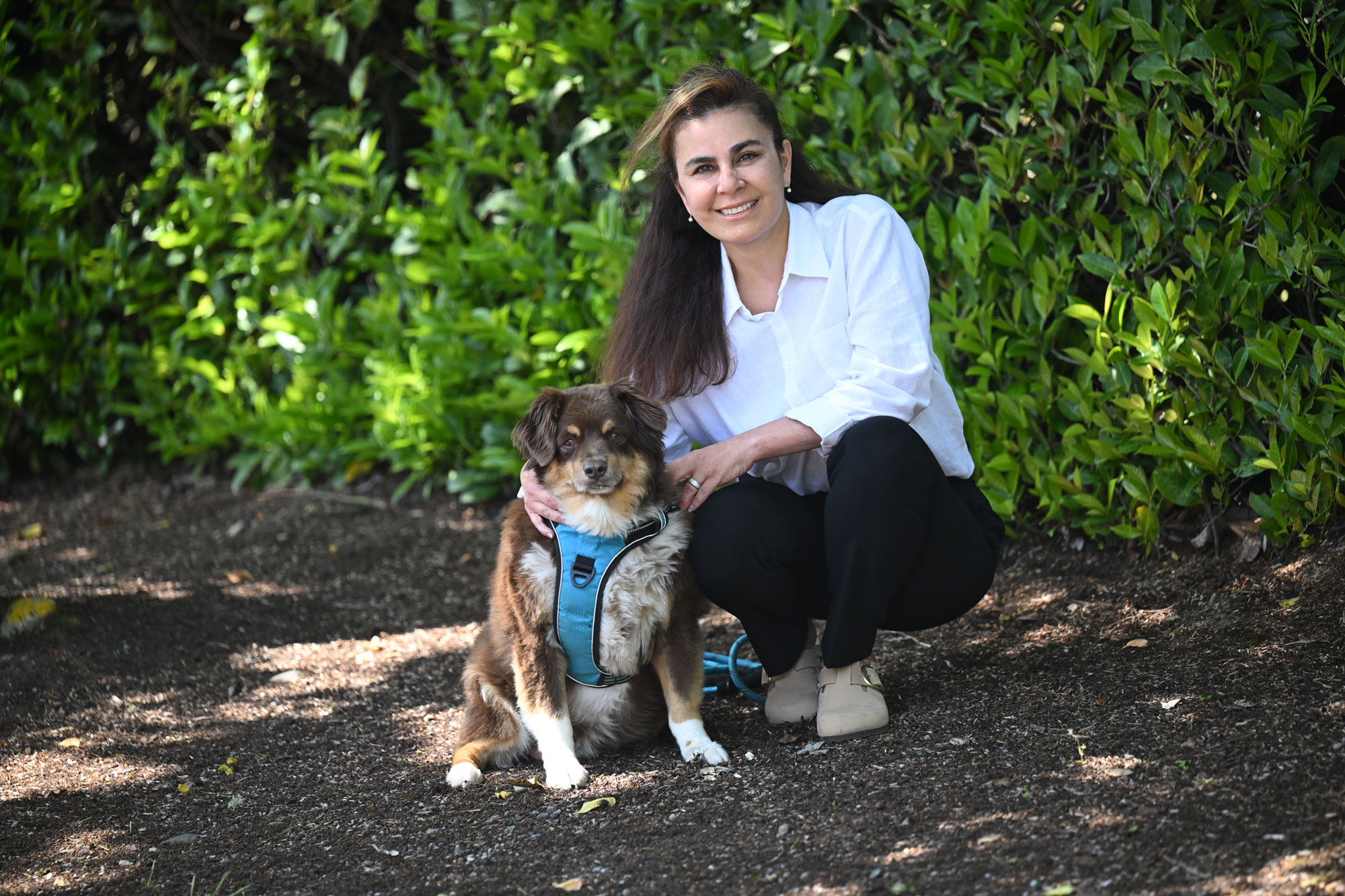
A New Kind of Leadership
Pooneh is committed to working hard every single day for the people of Vancouver. She believes that great solutions come from listening to every voice in the community.
“When we work together, we can create real, lasting change that reflects our shared values and goals.” She’s ready to fight for a safer, stronger, cleaner Vancouver—and for the people who call it home.
Let’s build a better Vancouver—together.
